

28 July 2020
How was lockdown for you? Did it on some important level you didn’t anticipate make you stop and think … really think, about your life, and question your priorities? You might be wondering if this was unique to you, and your personal circle of family and friends. We wondered the same thing.
And here’s the thing: you are not alone.
28 July 2020
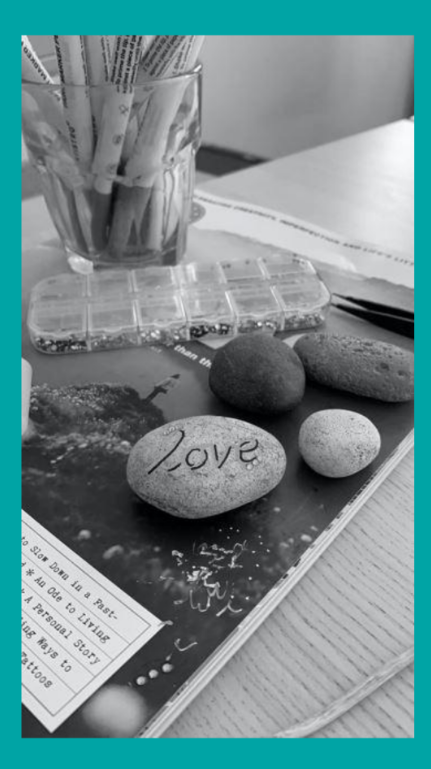

Our Lockdown Survey and others suggests the Covid19 pandemic that manifested itself initially as a seismic health crisis has also had a ripple effect by causing what may be a fundamental existential shift in our values.
The consequence for consumer goods market goes beyond pivoting to new ways of doing business; it also impacts the way you communicate your brand. When values change, our behaviour changes and so the brands we choose to connect with may change too.
Usually marketeers talk about insights, and most marketers would agree that our values don’t often change. And they are right. But the times we have been living through do not come round often. Our values form the fundamental building blocks of who we are and what is important to us and these are shaped by our personal relationships, our education and societal behaviour and rules.
Only when we experience life-changing events - bereavement, significant physical or mental trauma, break-up of long terms relationships & fundamental changes in our environmental and economic circumstance - do we re-evaluate our lives, and change our normal behaviour.
Within a very short period, the pandemic has threatened our very survival. Even the very lucky ones have had to consider their own mortality, see their personal freedoms restricted, experience social isolation, and feel the destabilising effect of uncertainty. Those terrifying charts of near vertical increases in death rates around Easter; the stories of people dying in hospitals in their hundreds every day – every single day – for weeks and not being allowed to be with their loved ones. All this has powerfully and poignantly demonstrated the fragility of human life. This is bound to have an effect on how we see the world and how we see ourselves – and what we want in our lives.
As marketers evaluate their brand messages, they cannot know the individual consumer impact of Coronavirus, but they should be mindful of the reality of numerous subtle but real shifts in values. It is too early predict the scale of behaviour change that will work itself through these parameters, but The Together Lab study suggests people have been actively reflecting on their priorities. Our lockdown survey suggests the Covid19 pandemic has resulted in some subtle but real shifts in values which may well result behaviour change for your audience. Fear of the pandemic inevitably caused people to reconsider their values but this unique time out also gave people a chance to examine the detail of their daily lives.
The Together Labs’ Lockdown Survey, was conducted in the UK between May and June, to understand the impact at the time and explore what people think they may do differently in light of it. The survey was completed by 160+ women and men between 25-65 years, from ABC1 households across London, South, Midland and North East. Whilst this sample does not lay claim to being representative of the UK population as a whole, it is worth reflecting on what they had to say – from a FMCG perspective, these are valuable audiences.


The results suggest that this monumental event has shifted or rebalanced our attitudes and values. Interestingly, the trigger for this was not just the shock of the situation but the fact that everyone suddenly had time to reflect. The unexpected gift of cognitive space and replenished bandwidth has combined with a chilling reminder of our mortality. The Corona virus did not give us many positive things, but it did give ‘time out’ from the hustle and bustle of daily lives, our commitments and distractions. Across my career looking for meaningful insights for brands, the one that continually pops up is related to lack of time. Time to really acknowledge each other, notice our environment and appreciate what we have – everyone always talks about the lack of it, but they can’t find a way to stop the clock because ‘daily life’ just gets in the way.
This period of introspection, about what we really care about and makes us happy has been unique to many of us. A personal friend and his wife told me: “I realised that all those wonderful things I suddenly couldn’t do, I didn’t miss as much as I would have thought - all those ‘things’ didn’t really make me any happier”. If this sentiment is true for many of us, it may empower us to be more selective on how were spend our time and money, allowing us to consciously focus on what really matters to us. What really mattered to our survey respondents was very clear, and whilst there are interesting nuances, there wasn’t significant difference across gender or age.

Understanding these key insights acts as a valuable springboard to your marketing strategy. If you want to become more meaningful, you need to dig deeper to empathise more with your specific target audience, to understand what will make your brand both relevant and engaging.
If you’d like to download the full study free from our website, please click here. We hope they prove useful.
We would love to help you navigate those insights that might be specifically pertinent to your business and explore new ideas that connect with your specific target audience; contact us and we’ll show you how. hello@thetogetherlab.com.

Nicole Brannan
Founder of The Together Lab – tailoring cocreation methodologies to solve innovation, positioning or communication challenges
W

How was lockdown for you? Did it, on some important level you didn’t anticipate, make you stop and think …. really think, about your life, and question your priorities? You might be wondering if this was unique to you, and your personal circle of family and friends. We wondered the same thing.
And here’s the thing: you are not alone. Our Lockdown Survey and others suggests the Covid19 pandemic that manifested itself initially as a seismic health crisis has also had a ripple effect by causing what may be a fundamental existential shift in our values. The consequence for consumer goods market goes beyond pivoting to new ways of doing business; it also impacts the way you communicate your brand. When values change, our behaviour changes and so the brands we choose to connect with may change too.
Usually marketeers talk about insights, and most marketers would agree that our values don’t often change. And they are right. But the times we have been living through do not come round often. Our values form the fundamental building blocks of who we are and what is important to us and these are shaped by our personal relationships, our education and societal behaviour and rules. Only when we experience life-changing events - bereavement, significant physical or mental trauma, break-up of long terms relationships & fundamental changes in our environmental and economic circumstance - do we re-evaluate our lives, and change our normal behaviour.
Within a very short period, the pandemic has threatened our very survival. Even the very lucky ones have had to consider their own mortality, see their personal freedoms restricted, experience social isolation, and feel the destabilising effect of uncertainty. Those terrifying charts of near vertical increases in death rates around Easter; the stories of people dying in hospitals in their hundreds every day – every single day – for weeks and not being allowed to be with their loved ones. All this has powerfully and poignantly demonstrated the fragility of human life. This is bound to have an effect on how we see the world and how we see ourselves – and what we want in our lives.
Why have we reacted in this fashion? To decode the moment, we need to drill down into a deeper understanding of who we are. In his book The Ten Types of Human, written before the epidemic, but eerily prescient about the underlying very human dilemmas that it has thrown up, Dexter Dias QC, human rights lawyer and researcher at Cambridge and previously Harvard, reminds that for all the complexity of our evolution, we are also very simple. We are the first and only species that cannot just think but can think about its thinking; we don’t just evolve, we understand how we have evolved. But nevertheless our fundamental drive to survive and procreate form the basis of our behaviour. With the Covid pandemic we were forced into a confrontation with our own mortality – the negation of survival. Not as an abstract idea, but as a real possibility.
As marketers evaluate their brand messages, they cannot know the individual consumer impact of Coronavirus, but they should be mindful of the reality of numerous subtle but real shifts in values. It is too early predict the scale of behaviour change that will work itself through these parameters, but The Together Lab study suggests people have been actively reflecting on their priorities. The finding was corroborated by a much larger global monthly tracking survey, conducted by EY Future Consumer Index in May, which suggests 53% of 14,000 consumers say their values have changed.
The Together Labs’ Lockdown Survey, was conducted in the UK between May and June, to understand the impact at the time and explore what people think they may do differently in light of it. The survey was completed by 160+ women and men between 25-65 years, from ABC1 households across London, South, Midland and North East. Whilst this sample does not lay claim to being representative of the UK population as a whole, it is worth reflecting on what they had to say – from a FMCG perspective, these are valuable audiences.
The results suggest that this monumental event has shifted or rebalanced our attitudes and values. Interestingly, the trigger for this was not just the shock of the situation but the fact that everyone suddenly had time to reflect. The unexpected gift of cognitive space and replenished bandwidth has combined with a chilling reminder of our mortality. The Corona virus did not give us many positive things, but it did give ‘time out’ from the hustle and bustle of daily lives, our commitments and distractions. Across my career looking for meaningful insights for brands, the one that continually pops up is related to lack of time. Time to really acknowledge each other, notice our environment and appreciate what we have – everyone always talks about the lack of it, but they can’t find a way to stop the clock because ‘daily life’ just gets in the way.
This period of introspection, about what we really care about and makes us happy has been unique to many of us. A personal friend and his wife told me: “I realised that all those wonderful things I suddenly couldn’t do, I didn’t miss as much as I would have thought - all those ‘things’ didn’t really make me any happier”. If this sentiment is true for many of us, it may empower us to be more selective on how were spend our time and money, allowing us to consciously focus on what really matters to us. What really mattered to our survey respondents was very clear, and whilst there are interesting nuances, there wasn’t significant difference across gender or age.
Understanding these key insights acts as a valuable springboard to your marketing strategy. If you want to become more meaningful, you need to dig deeper to empathise more with your specific target audience, to understand what will make your brand both relevant and engaging.
Click here for our summary findings from our Lockdown Survey, or use the button below to download the full study free from our website - we hope they prove useful. We would love to help you navigate those insights that might be specifically pertinent to your business, and explore new ideas that connect with your specific target audience; contact us on LinkedIn, Twitter, or hello@thetogtherlab.com and we’ll show you how.
You can find out more about Dexter’s work: On Twitter @DexterDiasQC Via his podcast: The 100 Types of Human and his bestselling book: The Ten Types of Human
Nicole Brannan
Founder of The Together Lab – tailoring cocreation methodologies to solve innovation, positioning or communication challenges
Please complete the form below and we shall send you the form as a PDF.
If you have a challenge and are interested to know more about our approach, we would love to hear from you.
Uniquely tailored co-creation methodologies to solve positioning, communication or innovative challenges

